Local Storage seems to be disabled in your browser.
For the best experience on our site, be sure to turn on Local Storage in your browser.

How to choose the right industrial valve?
A complete valve selection guide
Quick summary
Choosing the right industrial valve is essential to ensure safety, reliability, process efficiency, and long service life. To select the most suitable valve for your application, you need to consider several factors, including the fluid being handled, operating pressure and temperature, valve function, materials, connection type, certifications, environmental conditions, and maintenance requirements.
This guide explains the key criteria engineers, maintenance teams, and purchasing professionals should evaluate before selecting a ball valve, butterfly valve, gate valve, globe valve, check valve, pressure regulator, safety valve, or any other industrial valve.

Why is proper valve selection important?
Selecting an inappropriate valve can lead to:
- Reduced system performance
- Premature wear and failure
- Leakage and safety risks
- Increased maintenance costs
- Regulatory compliance issues
A well-selected valve improves operational efficiency, minimizes downtime, and reduces the total cost of ownership throughout the equipment's lifecycle.
What fluid will flow through the valve?
The first step in choosing a valve is understanding the characteristics of the process fluid.
Fluid properties directly affect material compatibility, sealing performance, and certification requirements. Fluids commonly used in industry are:
- Water
- Compressed air
- Steam
- Industrial gases
- Petroleum products
- Solvents
- Chemicals
- Abrasive slurries
- Powders and bulk solids
You should also determine whether the fluid is classified as hazardous or non-hazardous according to Regulation (EC) No. 1272/2008 (CLP).
What are the operating pressure and temperature conditions?
Pressure and temperature are among the most critical parameters for valve selection.
Consider the following questions:
- What is the maximum operating pressure?
- What is the minimum operating pressure?
- What is the maximum fluid temperature?
- What is the minimum fluid temperature?
- Are there pressure surges or temperature fluctuations?
Choosing a valve with the correct pressure rating and temperature resistance helps ensure long-term reliability and operator safety.
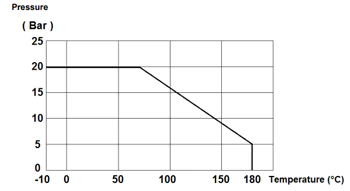
Can temperature affect a valve's pressure rating?
Pressure and temperature must always be considered together when selecting a valve. As temperature increases, the strengh of valve materials and sealing components may decrease, reducing the maximum allowable working pressure. Always ensure the selected valve is suitable for the highest pressure and temperature conditions expected in your process.
What function must the valve perform?
Before selecting a valve, clearly define its intended function.
Typical functions include:
- Isolation
- Flow regulation
- Pressure control
- Balancing
- Safety protection
- Venting
- Draining
The application often determines the most appropriate valve design and operating principle.

Which type of industrial valve should you choose?
Different valve technologies serve different purposes.
For On/Off isolation?
For flow or pressure control?
To prevent backflow?
To protect against overpressure?
The most common solutions include:
For regulating process conditions, consider:
Check valves are specifically designed to prevent reverse flow and protect equipment from damage.
Pressure protection solutions include:
Butterfly valves
-
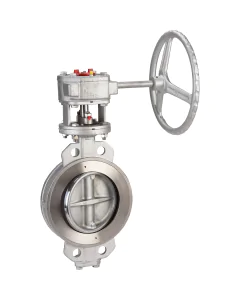 Carbon steel double offset butterfly valve 1110 wafer PN25Price according to configuration
 -
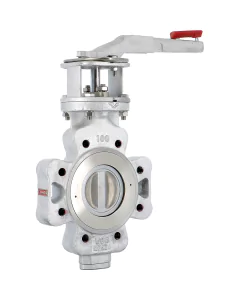 Carbon steel double offset butterfly valve 1110L lug PN25Price according to configuration
 -
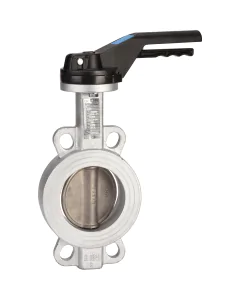 Carbon steel butterfly valve 1111 wafer GGG50 disc/METAL seatPrice according to configuration
 -
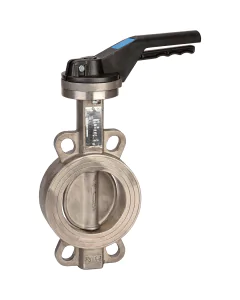 Stainless steel butterfly valve 1112 wafer CF8M disc/METAL seatPrice according to configuration
 -
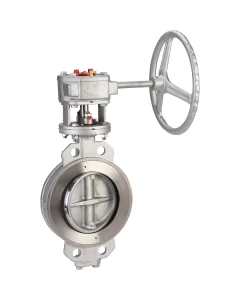 Carbon steel double offset butterfly valve 1113 wafer PN16/25Price according to configuration
 -
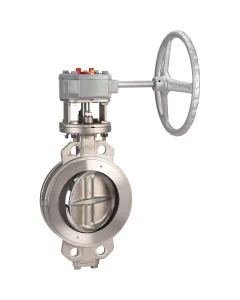 Stainless steel double offset butterfly valve 1114 wafer PN16/25Price according to configuration
 -
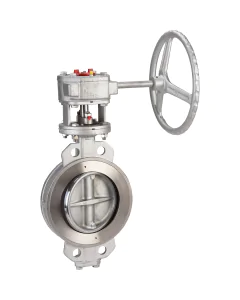 Carbon steel double offset butterfly valve 1115 wafer ANSI150Price according to configuration
 -
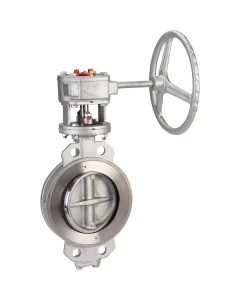 Stainless steel doulbe offset butterfly valve 1116 wafer ANSI150Price according to configuration
 -
Carbon steel double offset butterfly valve 1117 Lug PN16Price according to configuration
-
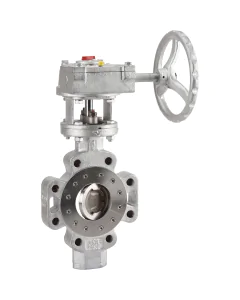 Triple offset butterfly valve 1118 Lug between flanges PN40Price according to configuration
 -
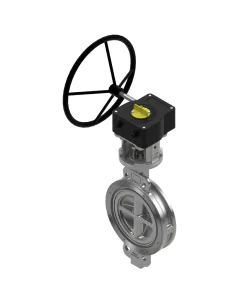 Stainless steel double offset butterfly valve 1119 WaferPrice according to configuration
 -
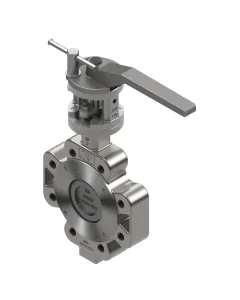 Stainless steel double offset butterfly valve 1119L LugPrice according to configuration
 -
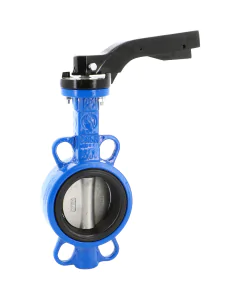 Ductile iron butterfly valve 1121 wafer CF8M disc/NBR seatPrice according to configuration
 -
 Ductile iron butterfly valve 1123 wafer CF8M disc/EPDM seatPrice according to configuration
 -
Ductile iron butterfly valve 1123A wafer CF8M disc/ACS-certified EPDM seatPrice according to configuration
-
 Ductile iron butterfly valve 1125 wafer EN-GJS-400-15 and EPDM seatPrice according to configuration
 -
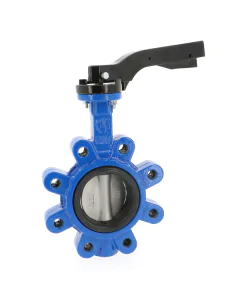 Ductile iron butterfly valve 1131 Lug CF8M disc/NBR seatPrice according to configuration
 -
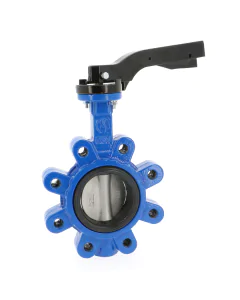 Ductile iron butterfly valve 1133 Lug CF8M disc/EPDM seatPrice according to configuration
 -
Ductile iron butterfly valve 1133A Lug CF8M disc/ACS-certified EPDM seatPrice according to configuration
-
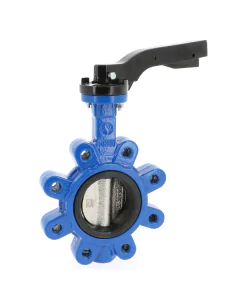 Ductile iron butterfly valve 1135 Lug EN-GJS-400-15 disc/EPDM seatPrice according to configuration
 -
-
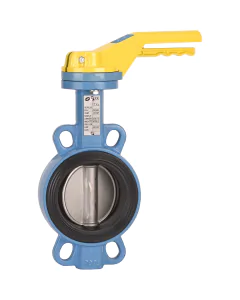
 TTV Ductile iron butterfly valve 1142 with limit switches - Fire networkPrice according to configuration
 -
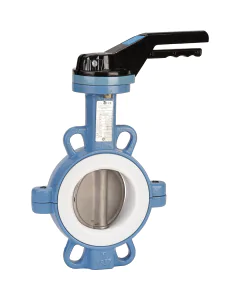 TTV Butterfly valve 1145 wafer CF8M disc/Teflon® + silicone liner seatPrice according to configuration
 -
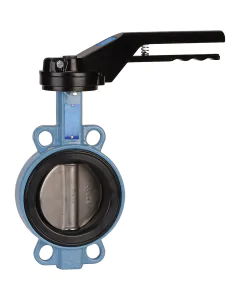 TTV Butterfly valve 1147 wafer GGG50 disc/Carboxylated NBR seatPrice according to configuration
 -
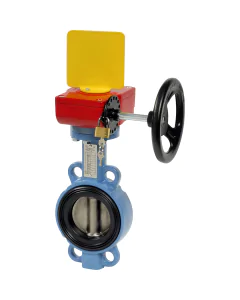 TTV Ductile iron butterfly valve 1148 wafer - Fire networkPrice according to configuration
 -
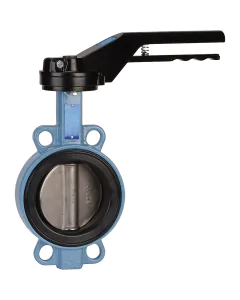 TTV Butterfly valve 1149 wafer CF8M disc/High temperature EPDM seatPrice according to configuration
 -
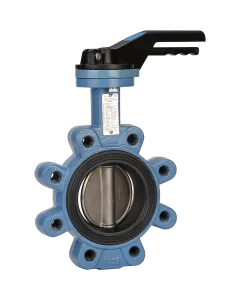 TTV Butterfly valve 1149L Lug CF8M disc/High temperature EPDM seatPrice according to configuration
 -
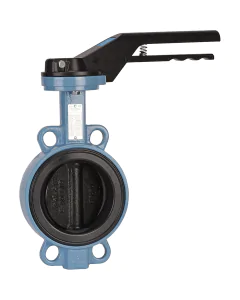 TTV Ductile iron butterfly valve 1150 wafer GGG50 or CF8M disc/EPDM seatPrice according to configuration
 -
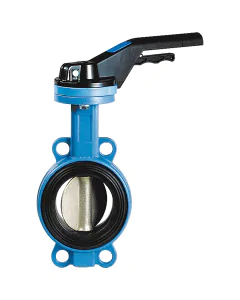 TTV Ductile iron butterfly valve 1151 wafer CF8M disc/NBR seatPrice according to configuration
 -
 TTV Ducitle iron butterfly valve 1151FD wafer CF8M disc/NBR seatPrice according to configuration
 -
 TTV Ductile iron butterfly valve 1152 wafer GGG50 or CF8M disc/NBR seatPrice according to configuration
 -
-
TTV Ductile iron butterfly valve 1153 wafer CF8M disc/EPDM seatPrice according to configuration
-
TTV Ducitle iron butterfly valve 1153FD wafer CF8M disc/EPDM seatPrice according to configuration
-
 TTV Ductile iron butterfly valve 1154 wafer CF8M disc/FKM seatPrice according to configuration
 -
TTV Ductile iron butterfly valve 1154FD wafer CF8M disc/FKM seatPrice according to configuration
-
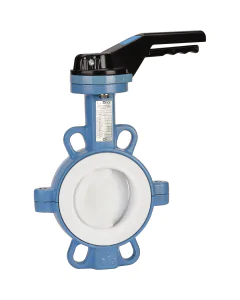 TTV Butterfly valve 1155 wafer CF8M+Teflon® disc/Teflon®+ silicone seatPrice according to configuration
 -
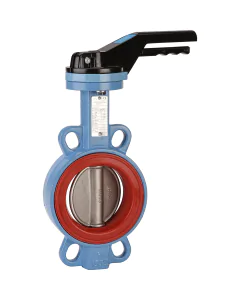 TTV Ductile iron butterfly valve 1157 wafer CF8M disc/Silicone seatPrice according to configuration
 -
 Ductile iron butterfly valve 1158 wafer Aluminium-bronze disc/NBR seatPrice according to configuration
 -
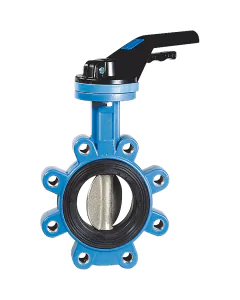 TTV Ductile iron butterfly valve 1160 Lug GGG50 or CF8M disc/EPDM seatPrice according to configuration
 -

-
 TTV Ductile iron butterfly valve 1162 Lug GGG50 or CF8M disc/NBR seatPrice according to configuration
 -
-
TTV Ductile iron butterfly valve 1163 Lug CF8M disc/EPDM seatPrice according to configuration
-
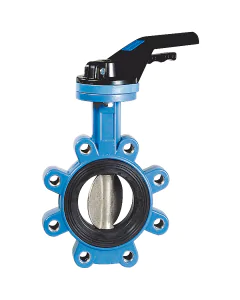 TTV Ductile iron butterfly valve 1164 Lug CF8M disc/FKM seatPrice according to configuration
 -
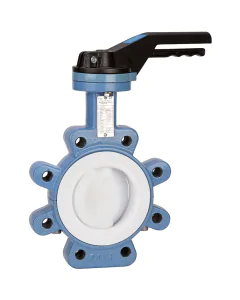 TTV Ductile iron butterfly valve 1165 Lug Teflon® disc/Teflon® seatPrice according to configuration
 -
 TTV Butterfly valve 1166 Lug CF8M disc/Teflon® + silicone liner seatPrice according to configuration
 -
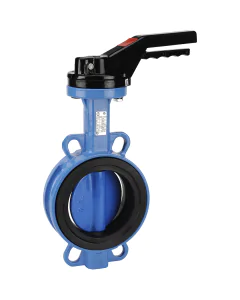 Ductile iron butterfly valve 1170 wafer GGG40 disc/EPDM seatPrice according to configuration
 -
 Ductile iron butterfly valve 1173 wafer CF8M disc/EPDM seat HTPrice according to configuration
 -
 Ductile iron butterfly valve 1174 wafer aluminium-bronze disc/NBR seatPrice according to configuration
 -
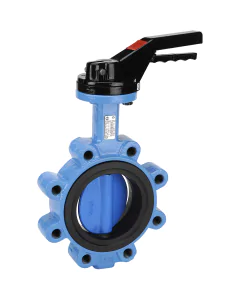 Ductile iron butterfly valve 1175 Lug GGG40 disc/EPDM seatPrice according to configuration
 -
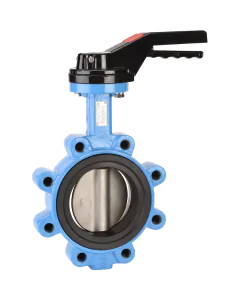 Ductile iron butterfly valve 1176 Lug CF8M disc/EPDM seatPrice according to configuration
 -
Ductile iron butterfly valve 1177 Wafer CF8M disc/NBR seatPrice according to configuration
-
Ductile iron butterfly valve 1178 Lug CF8M disc/NBR seatPrice according to configuration
-
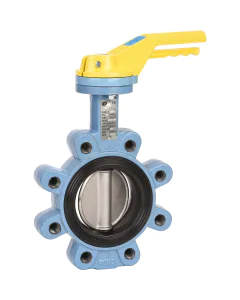
-
 TTV Butterfly valve 1183 wafer CF8M disc/Alimentary silicone seatPrice according to configuration
 -
 Stainless steel butterfly valve 1184 wafer CF8M disc/EPDM seatPrice according to configuration
 -

-
-

Which materials are best for industrial valves?
Material selection is essential to ensure appropriate mechanical properties and chemical compatibility and durability. Selecting compatible materials helps prevent corrosion, degradation, and unexpected failures.
Components to evaluate
Common valve body materials
Common sealing materials
- Valve body
- Closure element
- Seats
- Seals and gaskets
- Cast iron
- Carbon steel
- Stainless steel
- Brass
- PVC
- Polypropylene
- PTFE
- EPDM
- FKM (Viton®)
- NBR
How do you determine the correct valve size?
The valve size should be based on process requirements rather than simply matching pipe dimensions.
Factors to consider include:
- Flow rate
- Pressure loss requirements
- Fluid velocity
- Pipe diameter
- Cv or Kv coefficients
Proper sizing impoves efficiency and prevents excessive wear caused by undersized or oversized valves.

Which valve connection type should you choose?
The connection method depends on installation requirements, operating conditions, and maintenance considerations. It may also be necessary to verify the face-to-face dimensions according to EN 558 or other applicable standards.
Threaded Connections
Welded Connections
Flanged Connections
Quick Couplings
Common threaded standards include:
- BSP
- NPT
- SMS
For permanent installations:
- Socket Weld (SW)
- Butt Weld (BW)
Common flange standards include:
- EN 1092
- ANSI / ASME
- JIS
Suitable for frequent connection and disconnection:
- Camlock
- Clamp
- Symmetrical couplings
Should you choose a manual or actuated valve?
The choice depends on process automation requirements and operating frequency.
Manual valve operation
Automated valve operation
Common options include:
- Handle
- Handwheel
- Lever
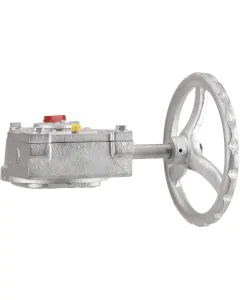
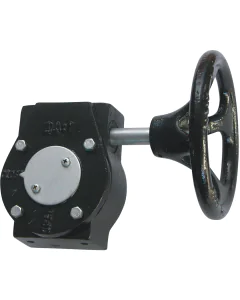
- Gear operator
Automated solutions include:
- Pneumatic actuators
- Electric actuators
- Hydraulic actuators
Which standards and certifications are required?
Valve compliance requirements vary depending on the industry and application. Ensuring compliance helps meet regulatory requirements and improve operational safety. Consult our Regulation & Certification FAQ.
Examples include:
- PED (Pressure Equipment Directive)
- ATEX
- Fire Safe certification
- ISO standards
- EN standards
- ANSI standards
- EN 10204 material certificates
- Hydraulic pressure testing

Do environmental conditions affect valve selection?
Yes. The installation environment plays an important role in valve performance and service life.
Consider factors such as:
- Indoor or outdoor installation
- Corrosive atmospheres
- ATEX zones
- Extreme ambient temperatures
- High humidity
- Vibration
- UV exposure
Environmental conditions may influence the choice of materials, coatings, seals, and actuator design.
How long should an industrial valve last?
Valve lifespan depends on several factors, including:
- Number of operating cycles
- Pressure and temperature conditions
- Fluid characteristics
- Installation quality
- Preventive maintenance practices
Understanding expected operating conditions helps identify the most cost-effective valve solution.
How can maintenance requirements influence valve selection?
Maintenance is often overlooked during valve selection but can significantly impact operating costs.
Key considerations include:
- Availability of spare parts
- Repair kit accessibility
- Ease of maintenance
- Replacement lead times
- Manufacturer support
Choosing a valve with readily available spare parts can reduce downtime and maintenance expenses.

→ Finds your spare parts with our search module.
What are common valve selection mistakes?
Common mistakes includes:
 Selecting a valve based only on pipe size.
Ignoring chemical compatibility.
Underestimating temperature limits.
Choosing an unsuitable seal material.
Not considering future maintenance requirements.

What information should you provide?
Before requesting a quotation or technical recommendation, gather the following information:
Valve selection checklist:
✔ Fluid type
✔ Hazard classification
✔ Minimum and maximum pressure
✔ Minimum and maximum temperature
✔ Required valve function
✔ Preferred valve type
✔ Nominal size (DN)
✔ Flow rate requirements
✔ Connection type
✔ Operation method
✔ Required certifications
✔ Installation environment
✔ Expected service life
✔ Maintenance requirements
Valves for industry, HVAC & waterworks
-

-
-
-
Carbon steel double offset butterfly valve 1110 wafer PN25Price according to configuration
-
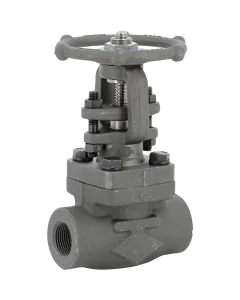
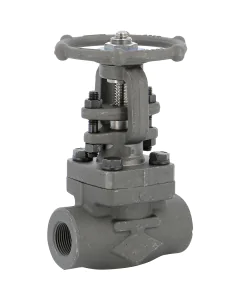
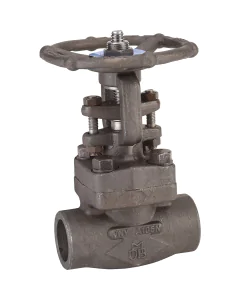 Carbon steel A150N gate valve 111 TRIM 16 800 lbs SWPrice according to configuration
 -
Carbon steel double offset butterfly valve 1110L lug PN25Price according to configuration
-
Carbon steel butterfly valve 1111 wafer GGG50 disc/METAL seatPrice according to configuration
-
Stainless steel butterfly valve 1112 wafer CF8M disc/METAL seatPrice according to configuration
-
Carbon steel double offset butterfly valve 1113 wafer PN16/25Price according to configuration
-
Stainless steel double offset butterfly valve 1114 wafer PN16/25Price according to configuration
-
Carbon steel double offset butterfly valve 1115 wafer ANSI150Price according to configuration
-
Stainless steel doulbe offset butterfly valve 1116 wafer ANSI150Price according to configuration
-
Carbon steel double offset butterfly valve 1117 Lug PN16Price according to configuration
-
Triple offset butterfly valve 1118 Lug between flanges PN40Price according to configuration
-
Stainless steel double offset butterfly valve 1119 WaferPrice according to configuration
-
Stainless steel double offset butterfly valve 1119L LugPrice according to configuration
-
-
Ductile iron butterfly valve 1121 wafer CF8M disc/NBR seatPrice according to configuration
-
Ductile iron butterfly valve 1123 wafer CF8M disc/EPDM seatPrice according to configuration
-
Ductile iron butterfly valve 1123A wafer CF8M disc/ACS-certified EPDM seatPrice according to configuration
-
Ductile iron butterfly valve 1125 wafer EN-GJS-400-15 and EPDM seatPrice according to configuration
-
-
Ductile iron butterfly valve 1131 Lug CF8M disc/NBR seatPrice according to configuration
-
Ductile iron butterfly valve 1133 Lug CF8M disc/EPDM seatPrice according to configuration
-
Ductile iron butterfly valve 1133A Lug CF8M disc/ACS-certified EPDM seatPrice according to configuration
-
Ductile iron butterfly valve 1135 Lug EN-GJS-400-15 disc/EPDM seatPrice according to configuration
-
-
-
TTV Ductile iron butterfly valve 1142 with limit switches - Fire networkPrice according to configuration
-
TTV Butterfly valve 1145 wafer CF8M disc/Teflon® + silicone liner seatPrice according to configuration
-
TTV Butterfly valve 1147 wafer GGG50 disc/Carboxylated NBR seatPrice according to configuration
-
TTV Ductile iron butterfly valve 1148 wafer - Fire networkPrice according to configuration
-
TTV Butterfly valve 1149 wafer CF8M disc/High temperature EPDM seatPrice according to configuration
-
TTV Butterfly valve 1149L Lug CF8M disc/High temperature EPDM seatPrice according to configuration
-
 Carbon steel A150N gate valve 115 TRIM 16 800 lbs NPTPrice according to configuration
 -
TTV Ductile iron butterfly valve 1150 wafer GGG50 or CF8M disc/EPDM seatPrice according to configuration
-
TTV Ductile iron butterfly valve 1151 wafer CF8M disc/NBR seatPrice according to configuration
-
TTV Ducitle iron butterfly valve 1151FD wafer CF8M disc/NBR seatPrice according to configuration
-
TTV Ductile iron butterfly valve 1152 wafer GGG50 or CF8M disc/NBR seatPrice according to configuration
-
-
TTV Ductile iron butterfly valve 1153 wafer CF8M disc/EPDM seatPrice according to configuration
-
TTV Ducitle iron butterfly valve 1153FD wafer CF8M disc/EPDM seatPrice according to configuration
-
TTV Ductile iron butterfly valve 1154 wafer CF8M disc/FKM seatPrice according to configuration
-
TTV Ductile iron butterfly valve 1154FD wafer CF8M disc/FKM seatPrice according to configuration
-
TTV Butterfly valve 1155 wafer CF8M+Teflon® disc/Teflon®+ silicone seatPrice according to configuration
-
TTV Ductile iron butterfly valve 1157 wafer CF8M disc/Silicone seatPrice according to configuration
-
Ductile iron butterfly valve 1158 wafer Aluminium-bronze disc/NBR seatPrice according to configuration
-
TTV Ductile iron butterfly valve 1160 Lug GGG50 or CF8M disc/EPDM seatPrice according to configuration
-
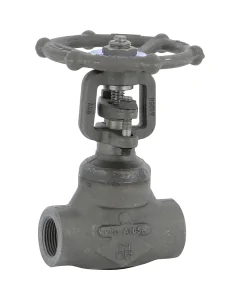 Carbon steel A150N gate valve 116 TRIM 5 800 lbs NPTPrice according to configuration
 -
-
TTV Ductile iron butterfly valve 1162 Lug GGG50 or CF8M disc/NBR seatPrice according to configuration
-
-
TTV Ductile iron butterfly valve 1163 Lug CF8M disc/EPDM seatPrice according to configuration
-
TTV Ductile iron butterfly valve 1164 Lug CF8M disc/FKM seatPrice according to configuration
-
TTV Ductile iron butterfly valve 1165 Lug Teflon® disc/Teflon® seatPrice according to configuration
-
TTV Butterfly valve 1166 Lug CF8M disc/Teflon® + silicone liner seatPrice according to configuration
-
Ductile iron butterfly valve 1170 wafer GGG40 disc/EPDM seatPrice according to configuration
-
-
Ductile iron butterfly valve 1173 wafer CF8M disc/EPDM seat HTPrice according to configuration
-
Ductile iron butterfly valve 1174 wafer aluminium-bronze disc/NBR seatPrice according to configuration
-
Ductile iron butterfly valve 1175 Lug GGG40 disc/EPDM seatPrice according to configuration
-
Ductile iron butterfly valve 1176 Lug CF8M disc/EPDM seatPrice according to configuration
-
Ductile iron butterfly valve 1177 Wafer CF8M disc/NBR seatPrice according to configuration
-
Ductile iron butterfly valve 1178 Lug CF8M disc/NBR seatPrice according to configuration
-
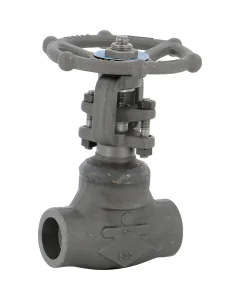
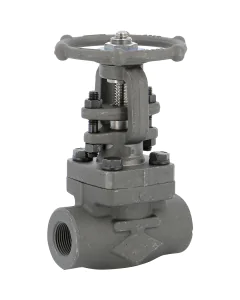 Carbon steel A350LF2 gate valve 118 TRIM 12 800 lbs NPTPrice according to configuration
 -
-
TTV Butterfly valve 1183 wafer CF8M disc/Alimentary silicone seatPrice according to configuration
-
Stainless steel butterfly valve 1184 wafer CF8M disc/EPDM seatPrice according to configuration
-
-
 Carbon steel A350LF2 gate valve 119 TRIM 12 800 lbs SWPrice according to configuration
 -
-
-
-

-
-
-
-
 Carbon steel A350LF2 gate valve 120 TRIM 12 1500 lbs NPTPrice according to configuration
 -
 Carbon steel A350LF2 gate valve 121 TRIM 12 1500 lbs SWPrice according to configuration
 -
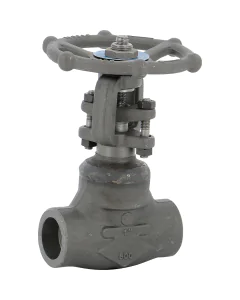 Carbon steel A182F11 gate valve 122 TRIM 5 800 lbs SWPrice according to configuration
 -
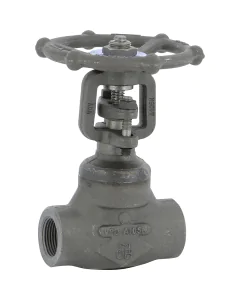 Carbon steel A182F11 gate valve 123 TRIM 5 800 lbs NPTPrice according to configuration
 -
-
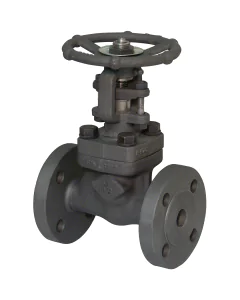
-

-
-

-
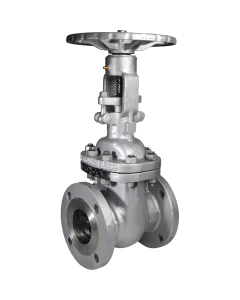
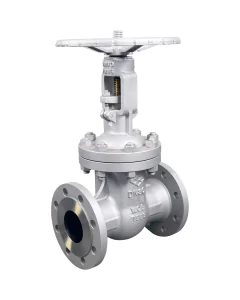 Cast steel A216WCB gate valve 141 RF PN40 EN558 series 26Price according to configuration
 -
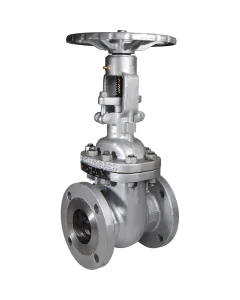
-
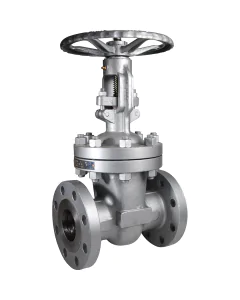
-
-
-

-
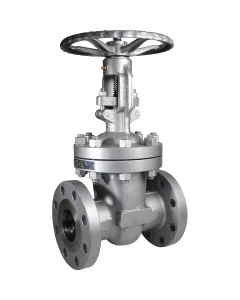
 Cast stainless steel CF8M gate valve 148 RF PN16 DIN F4Price according to configuration
 -
-
-
-
-
-

-
-
-

-

-
-

-
 Stainless steel F316 gate valve 152 TRIM 10 800 lbs SWPrice according to configuration
 -
-
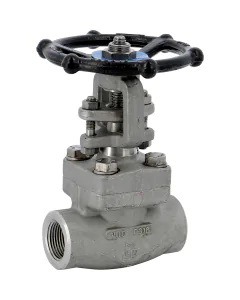 Stainless steel F316 gate valve 153 TRIM 10 800 lbs NPTPrice according to configuration
 -
-
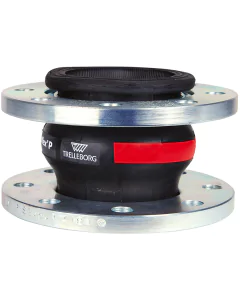 EPDM liner expansion joint 1560 Teguflex length 130mmPrice according to configuration
 -

-
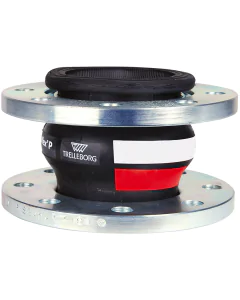 EPDM liner expansion joint 1561 Teguflex ACS length 130mmPrice according to configuration
 -
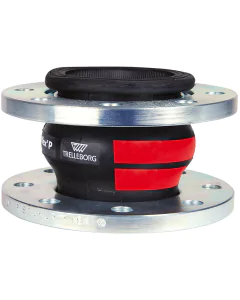 EPDM liner expansion joint 1562 Teguflex high temperature length 130mmPrice according to configuration
 -
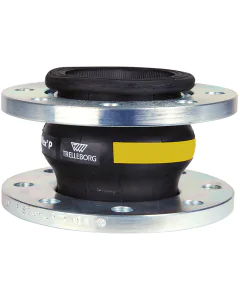 Epichlorhydrin liner expansion joint 1563 Teguflex length 130mmPrice according to configuration
 -
 Chlorosulphonated polyethylene liner expansion joint 1564 Teguflex length 130mmPrice according to configuration
 -
 White NBR expansion joint 1565 Teguflex length 130mmPrice according to configuration
 -
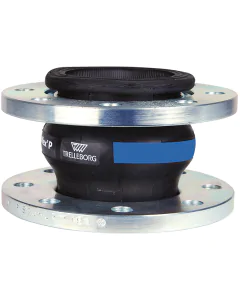 Styrene butadiene rubber liner expansion joint 1566 Teguflex length 130mmPrice according to configuration
 -
 FKM liner expansion joint 1567 Teguflex length 130mmPrice according to configuration
 -
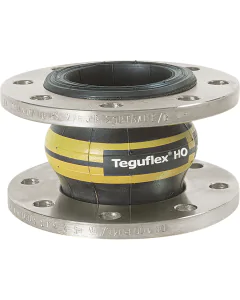 HNBR liner expansion joint 1568 Teguflex length 130mmPrice according to configuration
 -
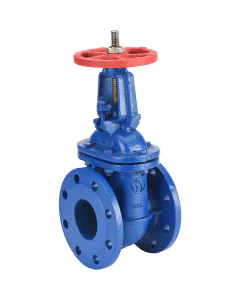 Ductile iron gate valve 158 high temperature RF PN10/16 NFPrice according to configuration
 -
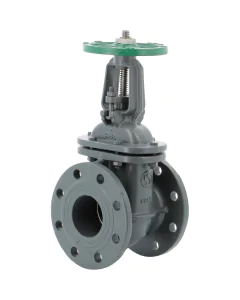 Ductile iron gate valve 159 high temperature RF PN16 DIN F4Price according to configuration
 -
-
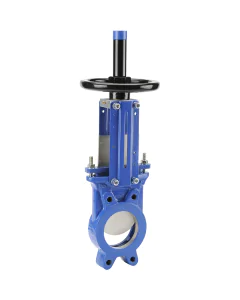
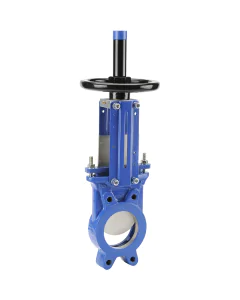 Cast iron knife gate valve 171 F304 gate/EPDM seat with wheelPrice according to configuration
 -
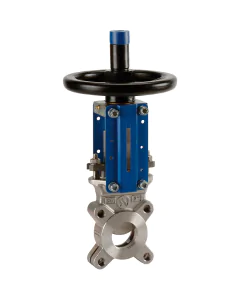 Stainless steel knife gate valve 172 F304 gate/EPDM seat with wheelPrice according to configuration
 -
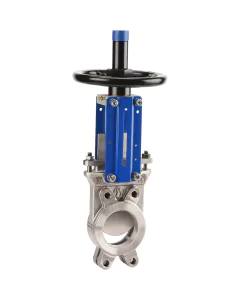 Stainless steel knife gate valve 173 F304 gate/METAL seat with wheelPrice according to configuration
 -
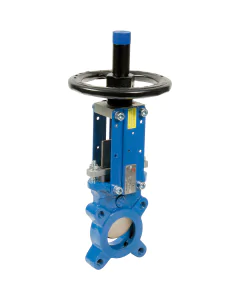 Cast iron knife gate valve 176 F304 gate/METAL seat with wheelPrice according to configuration
 -
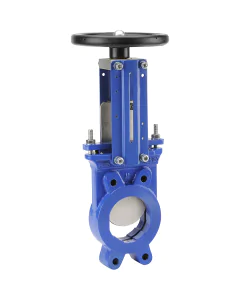
-
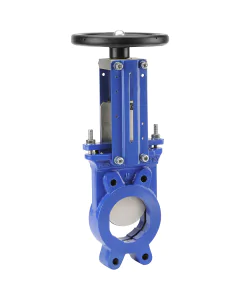
-
Cast iron knife gate valve 178I F316 gate and bolting/NBR seatPrice according to configuration
-

-
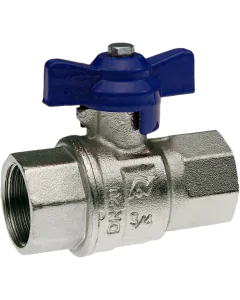 Brass ball valve VS42 BSP FF blue aluminium butterfly handlePrice according to configuration
 -
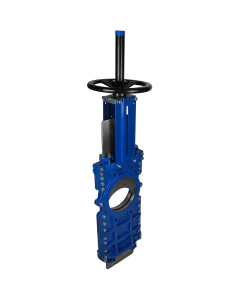 Cast iron knife gate valve 179 F304 gate/EPDM seat Through conduitPrice according to configuration
 -

-
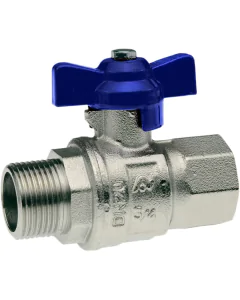 Brass ball valve VS43 BSP MF blue aluminium butterfly handlePrice according to configuration
 -
-
-
-
-
-
-
-
-
-

-

-
-

-
-

-
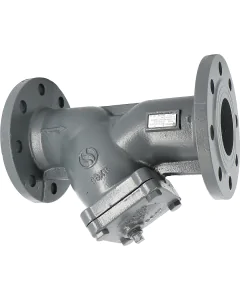
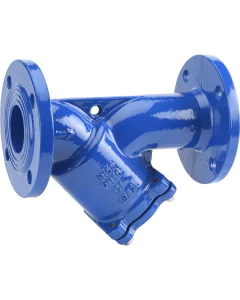
 Carbon steel Y-strainer 235 RF PN40 high temperaturePrice according to configuration